


Pasta And Noodle Maker
May 26, 2025

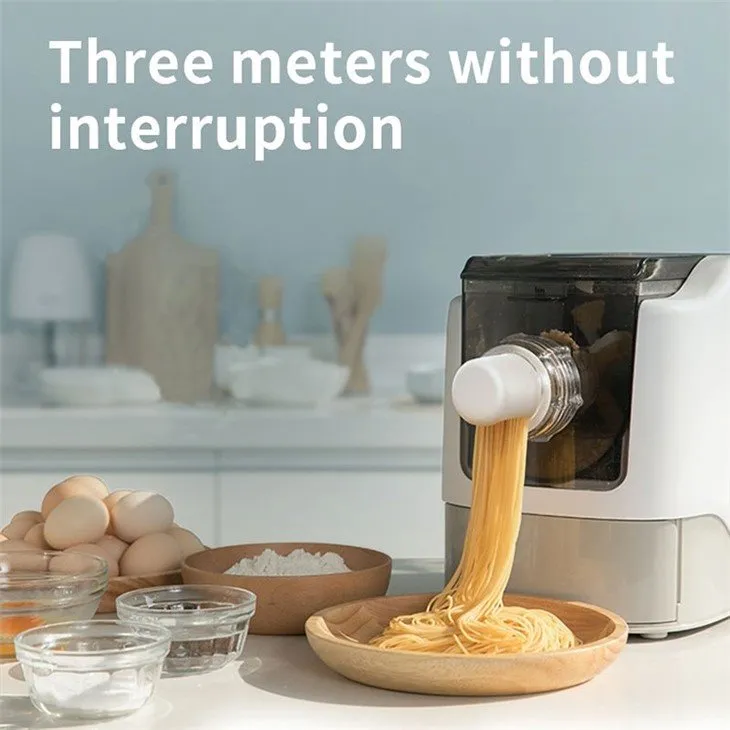
Pasta and noodle maker is a kitchen appliance used for making fresh pasta and noodles at home. It can be electric or manual, and it generally consists of rollers and cutters that help in flattening and shaping the dough into various shapes. Different types of pasta and noodles can be made using this machine, such as spaghetti, fettuccine, lasagna, ravioli, and more. Pasta and noodle makers are a great tool for those who enjoy cooking and want to make fresh, homemade pasta without the effort of doing it manually.
Benefits of Pasta and Noodle Maker


Fresh and healthy
With a pasta and noodle maker, you can make your own fresh pasta and noodles at home. This means you control the ingredients, avoiding preservatives, additives, and chemicals, and can choose healthier ingredients for a more nutritious meal.
Customizable
A pasta and noodle maker allows you to customize your pasta and noodles to your liking. You can make different shapes, sizes, and flavors according to your preferences, allergies, or dietary needs.
Saves time and money
Making pasta and noodles at home is more cost-effective than buying them at the grocery store. Additionally, with a pasta and noodle maker, you can make fresh pasta and noodles in minutes, saving you time and effort.
Family bonding
Making pasta and noodles with your family can be a fun and rewarding experience. It can be an excellent bonding activity that brings family and friends together in the kitchen.
High-quality product
With a pasta and noodle maker, you can ensure that your pasta and noodles are of high quality. Homemade pasta and noodles are often fresher and tastier than store-bought varieties, making them a delicacy.
Versatile
A pasta and noodle maker can be used to make different types of pasta and noodles, including spaghetti, fettuccine, lasagna, ravioli, dumplings, and more. This enhances your culinary repertoire and gives you the freedom to experiment with new recipes.
Cost-effective
Making pasta and noodles at home is cost-effective compared to buying them from the store. Over time, the cost of the pasta and noodle maker will be recovered through the savings on the ingredients.
Reduced waste
Making your own pasta and noodles at home reduces the packaging waste that is generated when buying them from the store.
Types of Pasta and Noodle Maker
Manual pasta maker
This type of pasta maker is operated by hand. It usually comes with a manual crank that rotates the rollers to flatten and cut the pasta dough. It can make various types of pasta, such as spaghetti, fettuccine, and lasagna.
01
Electric pasta maker
This type of pasta maker operates with an electric motor that rotates the rollers. It can make pasta dough with less manual effort. It also allows you to adjust the thickness of the pasta dough and cut it into various shapes. This type of pasta maker is best for those who make pasta frequently.
02
Automatic pasta maker
The most advanced type of pasta maker, it is fully automated and can mix, knead and extrude pasta dough without any manual intervention. You just need to add the ingredients into the machine, and it will produce fresh pasta in minutes. This type of pasta maker is more expensive than other pasta makers.
03
Hand-held pasta maker
This type of pasta maker is small and portable, making it easy to use and store. It usually comes with various attachments for making different types of pasta, such as spaghetti, fettuccine, and ravioli.
04
Noodle maker
Noodle makers are similar to pasta makers, but they are designed specifically for making Asian noodles, such as udon, soba, and ramen. They are available in manual and electric models, and some models come with attachments that can make different types of noodles.
05
The material of pasta and noodle maker varies, but typically they are made of either plastic or stainless steel. Plastic machines are more affordable, lightweight, and easy to clean. However, they may not be as durable as stainless steel machines and may not provide as precise of a result. Stainless steel machines are more expensive, but they are more durable, provide better accuracy, and can handle larger volumes of dough. Overall, the material of pasta and noodle maker largely depends on an individual's preferences and budget.

Application of Pasta and Noodle Maker
Home kitchen applications
Pasta and noodle machines are commonly used in home kitchens for preparing homemade pasta and noodles. These machines are designed to make the process of pasta making easy and effortless. With the help of these machines, people can roll out and cut pasta or noodles to the desired shape and size. The machine's rollers are adjustable, enabling users to make different types of pasta or noodles, such as spaghetti, fettuccine, and lasagna.

Commercial kitchen applications
Pasta and noodle machines are also widely used in commercial kitchens, such as restaurants and catering businesses. These machines can make pasta and noodles in large quantities, saving time and effort. In industrial kitchens, pasta and noodle making is often done using automated machines. These machines can mix, knead, roll out, and cut the pasta or noodles automatically, increasing production and efficiency.

Food processing applications
In the food processing industry, pasta and noodle machines are specially designed for producing dry pasta and noodles, which are packaged and sold in retail stores. These machines can be large and complex and often include a series of processes, including mixing, kneading, extrusion, and drying.
Other applications
Apart from making pasta and noodles, these machines can also be used for other applications. For instance, pasta machines can be used for making fondant or decorating cakes by using the pasta rollers to roll out fondant. Additionally, some people use pasta machines to roll out clay or playdough for art projects.
Process of Pasta and Noodle Maker
Raw material preparation
The first step in making pasta and noodle machines is preparing the raw materials. The main raw materials include stainless steel, aluminum, and other metals, depending on the type of machine being manufactured. Stainless steel is the primary material used due to its durability, non-corrosive properties and low maintenance cost.
Cutting and shaping
The raw materials are cut and shaped into the various parts required for the machine. The cutting and shaping process is done using high precision equipment such as laser cutters, plasma cutters, and computer numerical control (CNC) machines. This process ensures that the parts are accurately cut and shaped to the required specifications.
Welding and assembly
The parts are then welded and assembled using specialized equipment such as automatic welding machines and screwing machines. The welding process is done using a variety of techniques, including MIG welding and TIG welding, depending on the type of machine being manufactured. After welding, the parts are assembled using nuts, bolts, and other fasteners.
Finishing
Once the machine has been assembled, it is then polished and finished using specialized equipment such as grinding machines, sandblasters, and polishing machines. This process ensures that the machine is smooth and free of any rough edges or sharp edges that may be dangerous.
Quality control
The finished machine undergoes rigorous quality control checks to ensure that it meets the required standards. This involves testing the machine under different conditions to ensure that it is safe, efficient, and achieves the desired results.
Packaging and shipping
The final stage involves packaging and shipping the finished machine to the customer. The packaging is done using high-quality materials that protect the machine during transit. The machine is then shipped to the customer using a reliable courier service.
Cutting blades
Cutting blades are one of the most important components of pasta and noodle machines. These blades produce different shapes and thicknesses of pasta or noodles based on the user's preferences. The cutting blades are usually made of durable stainless steel and are easy to switch out depending on which kind of pasta or noodle you want to make.
Rollers
Rollers are the component responsible for flattening the pasta or noodle dough before it is cut into shape. The rollers are usually adjustable, allowing users to create different thicknesses of dough depending on their needs.
Motors
Most pasta and noodle makers have built-in motors that power the machine. These motors are usually quite powerful and can handle even the thickest, most stubborn pasta or noodle dough without stalling or seizing up.
Attachments
Many pasta and noodle machines come with various attachments that allow users to make different shapes and types of pasta or noodles. For example, some machines come with attachments for making ravioli or lasagna noodles.
Pasta/noodle tray
Pasta or noodle tray is a custom tray beneath the appliance where a punched knife grinds the pasta/noodle as it passes through the cutting blades during the cutting process.
Dough feeder
Dough feeder is a component which ensures the even distribution of the dough and feeds it through rollers.
Mixing bowls
Some pasta machines come with mixing bowls that are used to prepare the dough before it is fed into the machine. These bowls typically have a non-stick surface to prevent the dough from sticking and are also dishwasher safe for easy cleaning.
Dough preparation
Before using a pasta or noodle maker, you need to prepare the dough. Most pasta and noodle makers require a simple mixture of flour, eggs, water, and salt. You can mix the dough by hand or use a mixer. Once the dough is prepared, you need to let it rest for about 30 minutes before using the machine.
Setting up the machine
Most pasta and noodle makers come with different settings and attachments that allow you to make different types of pasta and noodles. The first step in using the machine is to set it up according to the type of pasta or noodle you want to make. Common attachments include rollers for making flat pasta sheets and cutters for making spaghetti, fettuccine, and other shapes.
Feeding the dough
Once the machine is properly set up, you can start feeding the dough through the rollers. Most pasta and noodle makers have a hand crank that you turn to move the dough through the rollers. As you pass the dough through the rollers, you can gradually decrease the space between them, making the sheets thinner and thinner.
Cutting the pasta
Once you have a thin sheet of pasta, you can use the cutters to make different shapes. Common shapes include spaghetti, fettuccine, linguine, and lasagna noodles. Simply insert the appropriate cutter attachment into the machine and feed the sheet of pasta through. The machine will cut the pasta into the desired shape.
Drying the pasta
After you've cut the pasta into the desired shape, you can dry it to preserve it. You can either hang the pasta on a drying rack or lay it out on a flat surface. Once the pasta is completely dry, you can cook it by boiling it in salted water.

Clean the machine after each use. Make sure to remove all the leftover dough and flour from every part of the machine.
Use a soft-bristled brush to clean any hard-to-reach areas or attachments, such as the pasta dies and cutter.
Avoid using abrasive cleaners, as this may damage or scratch the machine.
When storing the pasta maker, make sure it is kept in a dry and cool place.
Check the machine for any signs of wear and tear. If you notice any damaged or broken parts, it may be time to replace them.
Lubricate any moving parts with food-grade oil, as this will help keep the machine running smoothly.
Read and follow the manufacturer's instructions for proper use and maintenance of your pasta and noodle maker.
How to Choose a Pasta And Noodle Maker
Type of maker
There are two main types of pasta and noodle makers - manual and electric. Manual pasta makers require some effort to operate, but they are usually cheaper and don't take up much space. Electric pasta makers, on the other hand, are more convenient but can be more expensive. Consider what type of maker would best suit your needs and preferences.
Quality
The quality of the pasta and noodle maker is crucial to its performance. Look for brands that are known for producing durable and reliable products. Reading reviews from other buyers can also help you gauge the quality of different models.
Size
Consider the size of the pasta and noodle maker you would like to buy. Smaller models may be more suitable for people with limited counter space or those who only plan to make small batches of pasta or noodles. Larger models can be more versatile in terms of the type and amount of pastaodles you can make.
Versatility
Some pasta and noodle makers come with interchangeable blades, allowing you to create different types of pasta shapes and noodles. If you want to experiment with different pastaodle styles, a more versatile maker may be a good choice.
Price
Prices for pasta and noodle makers can vary significantly. Consider how often you plan to use the maker and what features are most important to you when deciding on a budget. It's essential to find a balance between price and quality.
Ease of cleaning
Cleaning a pasta and noodle maker can be a tedious task if it has many small crevices and hard-to-reach areas. Look for models that can be easily disassembled and washed in a dishwasher or with a soft cloth.
Brand and warranty
Consider the brand and warranty of the pasta and noodle maker you are interested in buying. Some brands may offer better warranties, customer service, and reparation options than others.
Precautions When Using a Pasta And Noodle Maker
Familiarize yourself with the machine
Before using the pasta and noodle maker, carefully read the manufacturer's instructions and become familiar with the different components of the machine. This will help prevent accidents and ensure that you use the machine correctly.
Avoid wearing loose clothing or jewelry
When using the machine, make sure you are not wearing loose clothing or jewelry that could get caught in the machine's moving parts. It's best to wear snug-fitting clothing and tie back longer hair to prevent it from getting tangled in the machine.
Keep your hands away from moving parts
The pasta and noodle maker has many moving parts and sharp edges, so it's essential to keep your hands away from these areas. Use the provided safety guards and handles to keep your fingers and hands safe.
Use the right ingredients
Always use the recommended ingredients when making pasta or noodles. Using the wrong ingredients or mixing them incorrectly can damage the machine and cause it to malfunction.
Keep the machine clean
After each use, clean the machine thoroughly to prevent any leftover dough or pasta from clogging the machine. This will also prevent bacteria from building up on the machine, keeping you and your family safe and healthy.
Store the machine safely
When not in use, store the pasta and noodle maker in a dry, cool place away from children and pets. Make sure all components are securely stored and the machine is unplugged.
Our Factory
Zhongshan Kerisson Home Appliance Co.,Ltd. is a professional large-scale manufacturer of all types of small kitchen appliances. Set up on year 2010 in Zhongshan City, we have 11 years experiences for home use automatic pasta maker, induction cook top, ceramic stove, high duty blender, portable blender and vacuum blender manufacturing.

FAQ
Q: What is a pasta and noodle maker?
Q: How does a pasta and noodle maker work?
Q: Is it difficult to use a pasta and noodle maker?
Q: What types of pasta and noodles can I make with a pasta and noodle maker?
Q: What kind of dough should I use with a pasta and noodle maker?
Q: Can I make gluten-free pasta and noodles with a pasta and noodle maker?
Q: How do I clean my pasta and noodle maker?
Q: Do I need any special attachments to make different types of pasta and noodles?
Q: Can I make pasta and noodles ahead of time and store them?
Q: Can I use a pasta and noodle maker to make other types of dough, such as pizza dough or bread dough?
Q: How do I use a pasta and noodle maker?
Q: How long does it take to make pasta with a pasta maker?
Q: What ingredients are needed to make pasta with a pasta maker?
Q: Is it difficult to use a pasta maker?
Q: Is it worth buying a pasta maker?
Q: What types of pasta and noodle makers are available?
Q: What is the difference between an attachment and a standalone pasta and noodle maker?
Q: What should I look for when purchasing a pasta and noodle maker?
Q: How much does a pasta and noodle maker typically cost?
Q: What are the benefits of using a pasta and noodle maker?


