


Blender
May 26, 2025
What is Blender?
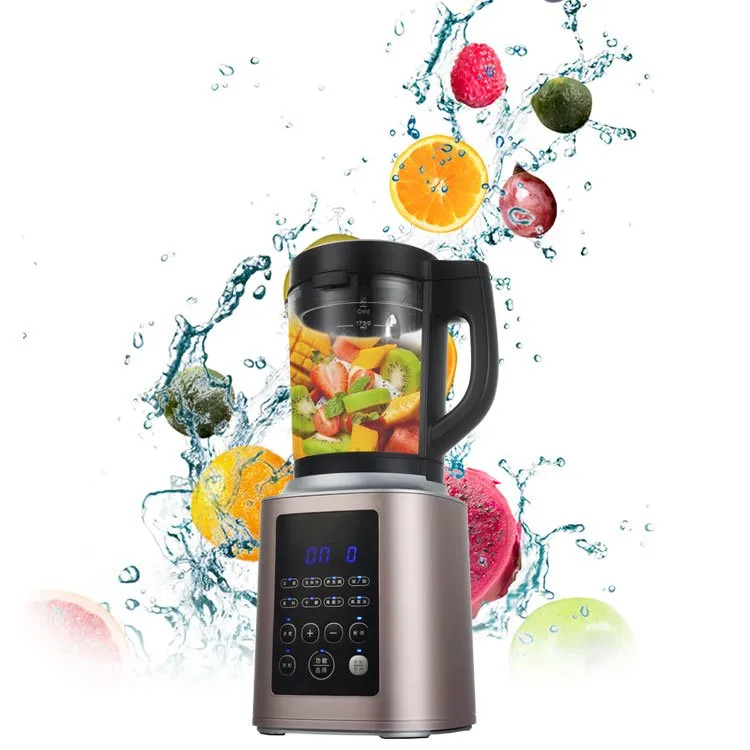
A blender is a kitchen appliance used for smoothies, purees, soups, and other food and drink creations. It typically consists of a motor-powered base that connects to a container with a rotating blade. The speed and duration of blending can be controlled to achieve the desired consistency. Blenders can be used for a variety of tasks, such as crushing ice, making sauces, and mixing dough. Some blender models come with additional attachments, such as grinding cups or food processors, to expand their functionality.
Major timesaver
Blenders are a major timesaver. Just add all of your ingredients to the jug, put on the lid and blend away. It takes less than five minutes to make most smoothies.
Clean-up is a breeze
Clean-up is easy, too, when you're blending. Once you've blended up your smoothie (or whatever it is you're making), all you have to do is rinse out the jug and toss it in the dishwasher. Depending on the type of blender you have, you may have to wash the jug by hand, but this should still only take 5 minutes tops.
More fiber
The great thing about blending is that you still get the fiber from your fruits and vegetables. Fiber is necessary for healthy digestion, and helps eliminate toxins from the body.
When you juice, you don't get any fiber from your foods. All of that nutritious fiber is left behind in the pile of leftover pulp.
Incredibly versatile
Blenders can do more than just make smoothies. You can use this small kitchen appliance to blend soups, dips, salsa, sauces and more. It's incredibly versatile and doesn't take up much space in your kitchen.
Get your daily intake of fruits and vegetables
It's not always easy to get all of the fruits and vegetables your body needs with each meal. Blending makes it easy to get all the nutrients you need, and because blending is a major timesaver, you're far more likely to stick to this healthy habit.
Less wasteful
Compared to juicing, blending is far less wasteful. And you can leave nearly all parts of the food intact when blending. The peels and skin of most fruits and vegetables contain a large percentage of the food's nutrients, and they can be blended right into your smoothie. And because they're broken down, they're easier for your body to digest.
Types of Blender
Hand blender/immersion blender
A hand blender, also known as an immersion blender, is a super compact and versatile kitchen appliance. It comes with cutting blades at the end of a shaft that can be directly immersed into the food that needs blending. You can use it as a grinder, mixer and blender all in one.
Electric hand blender
These portable blenders are a must-have among kitchen appliances, as they can make delicious dips, smoothies and soups quickly and efficiently. An electric hand blender is a type of mixer that is available in both corded and cordless versions and is certainly far more convenient to handle in comparison to a heavy-duty blender. These blenders consume more space and necessitate the use of attachments and containers, among other things.
Manual hand blender
Unlike an electric hand mixer grinder, a manual blender is a hand blender without electricity, which means that this kitchen appliance does not work on power. This small mixer blender comes with a non-slippery grip handle that must be pressed for it to start blending the food at a high speed. This tool is often used in whisking eggs, blending dals, making baby food, and making buttermilk and lassi. These are durable, easy to clean and lightweight products that are perfect to carry anywhere at any time without worrying about electricity.
Single-serve blender
These are essentially small, powerful blenders designed to make single-serving shakes or smoothies. A single-serve blender is powerful enough to crush the ice and frozen fruits for your smoothie and small enough to take up the minimum space on your kitchen countertop.
Blender bottle
Looking for a perfect way to blend your protein shake on the go? A blender bottle is perfect for you! To aerate and blend the contents, a good blender bottle must include a leak-proof lid as well as a small ball whisk. However, please note: you won't be able to blend anything chunky in these since they're only designed for quick powder blends. These also come with chargeable bases and can blend your protein shake with just a push of a button.
Commercial blender
A commercial blender is an item you will often find at restaurants, bars, cafés, and juice bars. This appliance can be employed to make shakes, cocktails, smoothies, purees, juice, soups, sauces, crushed ice, and other foods. From chopping veggies to making tomato purees, a commercial blender can do everything.

The blender is made of a combination of different materials, each chosen for its unique properties and suitability for the task. The main body of the blender is typically made of high-quality plastic, which is durable, lightweight, and easy to clean. The blade assembly, on the other hand, is usually made of stainless steel, which is strong, corrosion-resistant, and able to withstand the high-speed rotation and repeated use required for blending. The base of the blender often contains a powerful motor that may be made of high-grade metals or high-performance, heat-resistant plastics to ensure longevity and efficient functionality. The blender's jar or pitcher can be made of different materials such as glass, plastic, or stainless steel, and often feature some rubber or silicone components in its lid or handle for ease of use and to prevent spills. Overall, the materials used to build a blender are designed to create a product that is reliable, efficient, safe, and long-lasting.
Application of Blender
A blender, also known as a mixer or liquidizer, is a kitchen appliance used for blending, mixing, or pureeing food and other substances. It consists of a motor base, a pitcher or container, and a set of blades or cutting mechanism.
Blenders are commonly used for making smoothies, shakes, and juices by blending fruits, vegetables, and other ingredients together. They are also used to make soups, sauces, and dips by pureeing cooked or raw ingredients. In addition, blenders can be used to crush ice, grind nuts and spices, and make nut butters.
Blenders are also used in commercial kitchens, such as in restaurants, cafes, and bars, to prepare drinks, sauces, and other food items. They are often used in food processing plants to blend, mix, or puree large amounts of ingredients.
In the medical field, blenders are sometimes used to prepare liquid medications or nutritional supplements for patients who have difficulty swallowing pills or solid foods.
Blenders have a wide range of applications in the kitchen and in commercial settings. They are versatile, easy to use, and can help save time in food preparation.
Process of Blender
Design
The first step is to design the blender. Engineers and designers work together to create detailed drawings and specifications for the blender, including its size, shape, features, and components.
Materials
Once the design is finalized, the next step is to select the materials that will be used to make the blender. This may include metal for the blades, plastic for the body and housing, and rubber or silicone for the gaskets and seals.
Manufacturing
The actual manufacturing process begins with the production of the various components that will make up the blender. These may include stamping, molding, and cutting operations to produce the blades, body, and other parts.
Assembly
Once all of the components have been produced, the blender is assembled. This involves fitting the various parts together and securing them with screws, bolts, or other fasteners. The blades are attached to the motor, the housing is installed, and any necessary wiring or electronics are put in place.
Testing
Before the blender is packaged and shipped, it must undergo rigorous testing to ensure that it functions properly and meets safety requirements. This may include electrical, mechanical, and durability tests, as well as checks for leaks and other defects.
Packaging and shipping
Once the blender has been manufactured and tested, it is packaged and shipped to retailers or distributors who will sell it to consumers.
Components of Blender


Motor
The motor is the main power source of a blender. It is responsible for turning the blades and blending the ingredients. The motor's power and speed determine the blender's effectiveness.
Blades
The blades are the most important part of the blender. They are attached to the motor and spin rapidly to chop and blend the ingredients. The quality and shape of the blades determine how well the blender works.
Jar
The jar is the container in which the ingredients are placed. It is typically made of glass, plastic, or stainless steel. The jar's capacity and shape affect the amount and consistency of the ingredients that can be blended at once.
Lid
The lid seals the jar and prevents the ingredients from spilling out during blending. It usually comes with a removable center cap, which allows the user to add more ingredients while blending.
Base
The base is the bottom part of the blender that houses the motor. It is typically made of plastic, metal, or a combination of both. The base also contains the control buttons or switches that allow the user to adjust the blender's speed and power.
Control switches
The control switches allow the user to adjust the blender's speed and power. Some blenders may have additional settings such as pulse or crush ice, depending on their intended use.
A blender works by using a powerful electric motor to rotate a set of sharp blades at high speeds. When you turn on the blender, the motor turns the blades, which then chop and blend your ingredients into a smooth mixture. The blades work to create a vortex in the mixture, pulling the ingredients towards the center of the blender, where they are chopped and blended together. The speed of the blender can be adjusted to blend ingredients to different textures - from a fine puree to a chunky salsa. Some blenders also have additional features, such as a pulse setting for chopping ingredients, or different blending settings for specific tasks like making smoothies or crushing ice. Overall, the blender is a simple and effective tool for quickly blending and chopping ingredients.

How to Maintain Blender?
Regular cleaning
Proper and regular cleaning is essential for keeping the mixer in good condition. Clean all the parts of the machine, including the blades, bowls, and attachments, after every use.
01
Lubrication
Apply lubricant to the moving parts of the machine, such as the bearings and the gears, at regular intervals. This will help to prevent wear and tear, and ensure that the mixer runs smoothly.
02
Tighten bolts and screws
Check the bolts and screws on the machine's body and tighten them if necessary. Loose parts can lead to excessive noise, reduced efficiency, and damage to the mixer.
03
Check electrical components
Inspect the mixer's electrical components, including the switch, cord, and plug, for any damage or wear. Replace any faulty parts immediately to avoid any potential safety hazards.
04
Store properly
Store the mixer in a dry, clean, and secure place to protect it from dust, moisture, and other damage. Cover it with a clean cloth or plastic to keep it safe from scratches.
05
Precautions When Using a Blender
Make sure the blender is properly assembled before use. All parts should be securely connected and in the correct position.
Never place your fingers or any other objects inside the blender while it is in use. Always use the pusher or a utensil to push down ingredients.
Do not overload the blender. Follow the manufacturer's recommendations regarding the maximum amount of ingredients that can be added at one time.
Do not run the blender for too long. Continuous use can cause the motor to overheat, which can damage the appliance.
Keep the blender away from water or other liquids. Never submerge the blender in water or use it near water, as this can cause electric shock.
Always unplug the blender before cleaning or disassembling. Do not attempt to clean the blender while it is still plugged in.
Use caution when blending hot liquids. Allow hot liquids to cool slightly before blending, and never fill the blender jar more than halfway.
Keep the blender out of reach of children. Do not let children operate the blender or handle its parts.
How to Choose a Blender
Purpose
The first step to choosing a blender is to determine its intended use. If you are planning to use it for making smoothies, protein shakes, and purees, choose a blender with sufficient power to blend ingredients smoothly. If you want to crush ice and frozen fruits, look for a blender with a powerful motor that can crush ice with ease.
Blending power
The power of a blender is measured in watts. A high wattage blender will be more powerful and able to handle tough ingredients. For most kitchen needs, a blender with a power output of 500-700 watts will suffice.
Capacity
The size of the blender jar or container is also essential. Consider how many people you will be serving and how often you will use the blender. If you have a big family or love to host parties, look for a blender with a large capacity. For personal use or small servings, a compact blender with a smaller jar may be ideal.
Noise level
Blenders can be quite loud, especially those with high power output. If you prefer to use your blender early in the morning or late at night, consider a quieter model.
Durability
The durability of a blender is another crucial factor to consider when purchasing. Look for blenders made of high-quality materials that will last a long time. Stainless steel and glass blenders are more durable and sturdy.
Ease of use and cleaning
Choose a blender that is easy to operate and clean. Models with removable blades and dishwasher-safe parts will save you time and effort in cleaning.
Price
The price of the blender will depend on its features and brand. Consider your budget and go for a blender that offers the right balance of features and value for money.
Our Factory
Zhongshan Kerisson Home Appliance Co.,Ltd. is a professional large-scale manufacturer of all types of small kitchen appliances. Set up on year 2010 in Zhongshan City, we have 11 years experiences for home use automatic pasta maker, induction cook top, ceramic stove, high duty blender, portable blender and vacuum blender manufacturing.

FAQ
Q: What is a blender and how does it work?
Q: What are some common uses for a blender?
Q: What types of blenders are available on the market?
Q: Can a blender be used to grind coffee beans or nuts?
Q: How should you clean a blender?
Q: What safety precautions should you take when using a blender?
Q: Can a blender be used for chopping vegetables?
Q: How do you troubleshoot a blender if it isn't working properly?
Q: Can a blender be used to make hot soups?
Q: How long can you expect a blender to last?
Q: What is the difference between a blender and a mixer?
Q: Do I really need a blender?
Q: Can you mix cake in a blender?
Q: Is a blender like a juicer?
Q: What types of food can a blender be used for?
Q: What should I look for before buying a blender?
Q: What features should I look for in a blender?
Q: Can I put hot liquids in a blender?
Q: Are there any safety precautions I should follow when using a blender?
Q: How do I choose the right blender for my needs?


